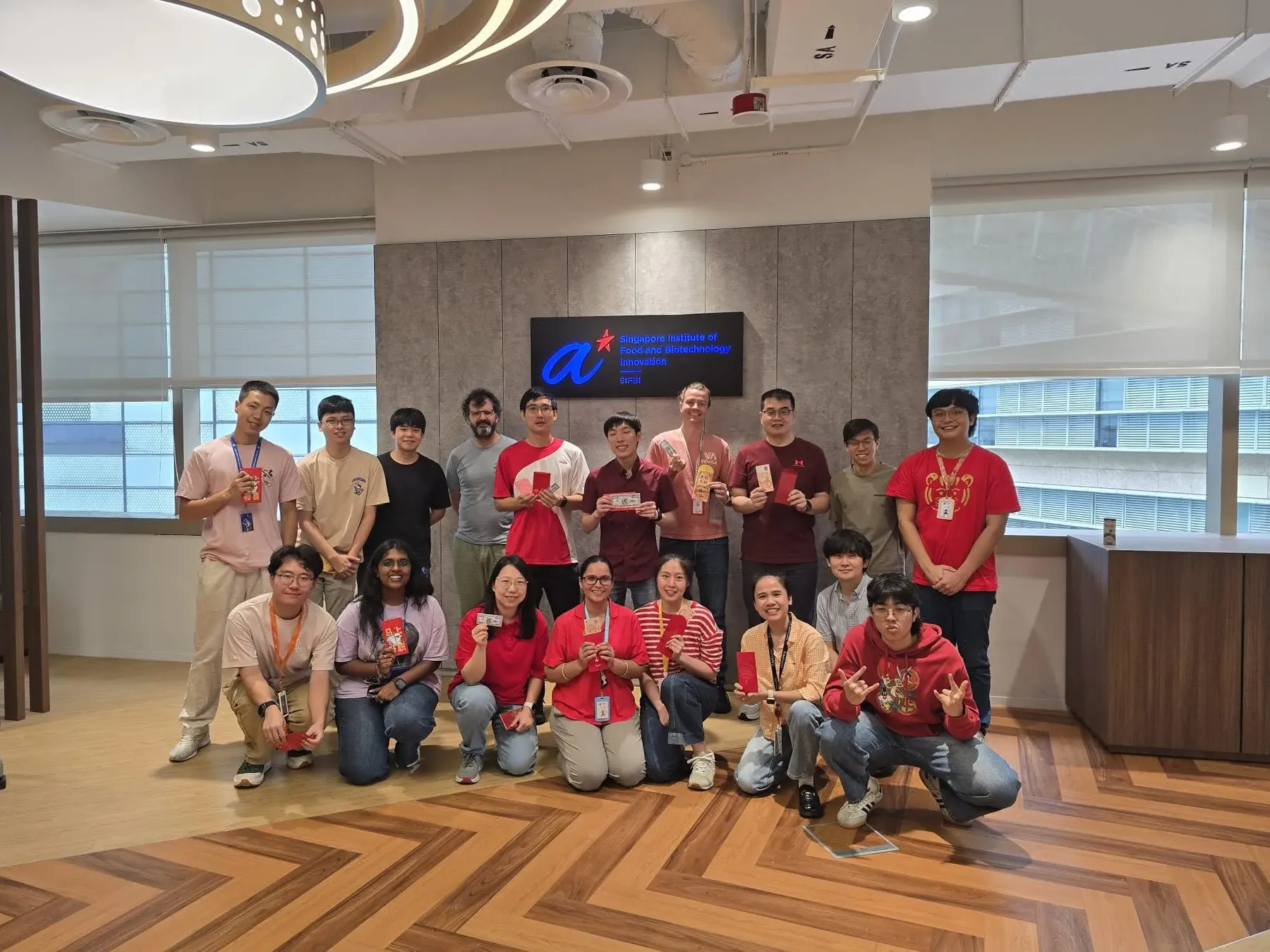
Photo Gallery
→
"We engineer microbial cell factories to produce chemicals, fuels, and food ingredients — turning renewable feedstocks into high-value products through precision metabolic design and synthetic biology."
Zhang Lab · SIFBI, A*STARRecent updates
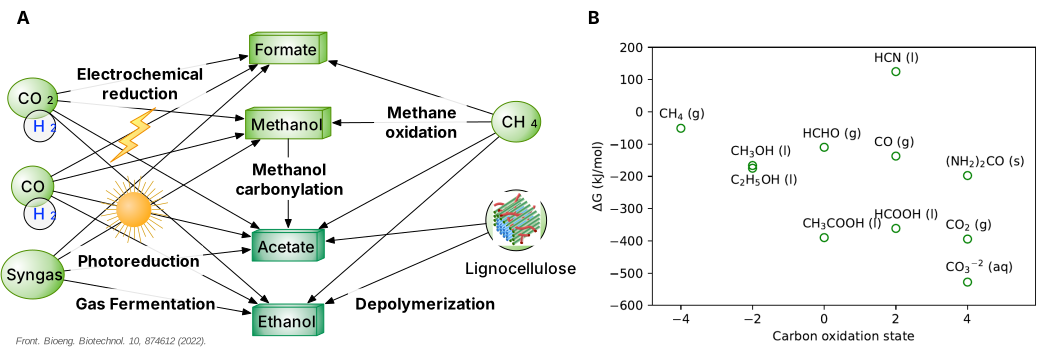
Simon and Dr. Seohyoung Kim's new review in Systems Microbiology and Biomanufacturing positions glycolaldehyde as a metabolic hub linking C1 feedstocks, lignocellulose, and plastic waste to central metabolism.
Simon is featured in a Nature Spotlight on synthetic biology and food security, discussing the lab's work engineering microorganisms to produce flavours, fragrances, and antioxidants — and to reduce dependence on petroleum-derived chemicals.
Simon joins Dr. Hyun Gi Koh and Dr. Takuya Matsumoto as Guest Editor for a Scientific Reports (Nature Portfolio) Collection on Next‑Generation Biomanufacturing. Submissions open until 12 January 2027.
Simon is serving as Guest Editor for an Elsevier special issue on microbial and enzymatic synthesis of functional food ingredients — nutraceuticals, flavours, sweeteners, and bioactives produced via fermentation and biocatalysis.
Many congratulations to Dr. LIM Xiao Hui on successfully defending her PhD — a hard-earned milestone, and a proud moment for the lab.
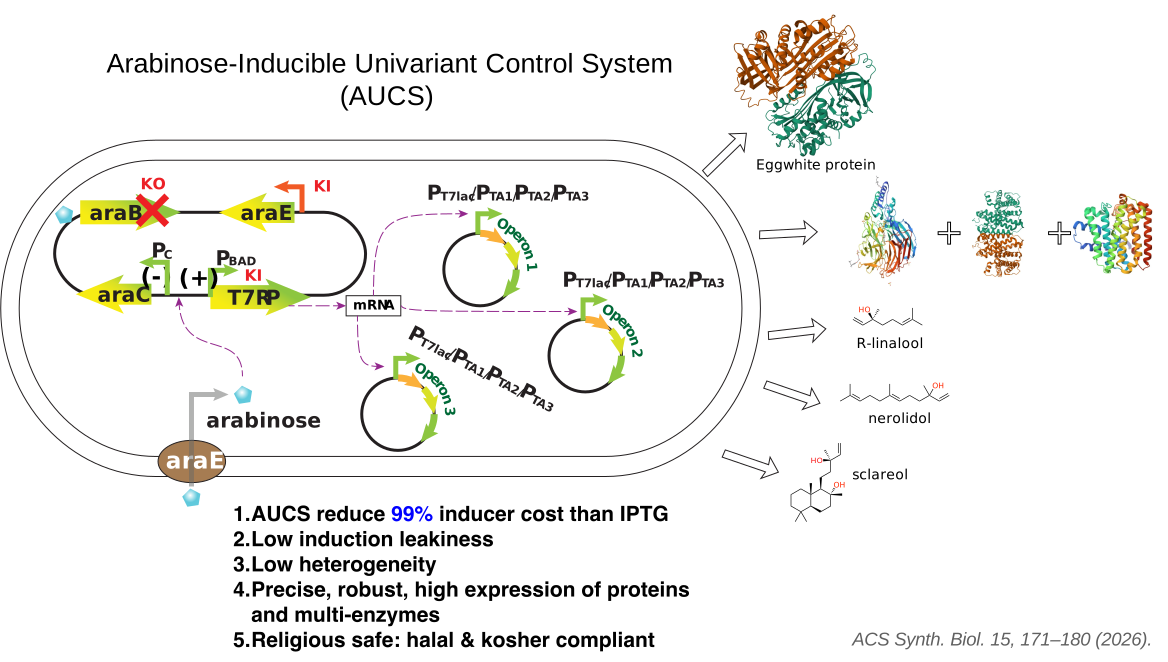
We report a new arabinose-inducible univariant control system (AUCS) that enables precise, tunable expression for microbial production of proteins, enzymes, and metabolites.
Research
Our lab focuses on designing and optimizing microbial cell factories through metabolic engineering, synthetic biology, and systems biology approaches.
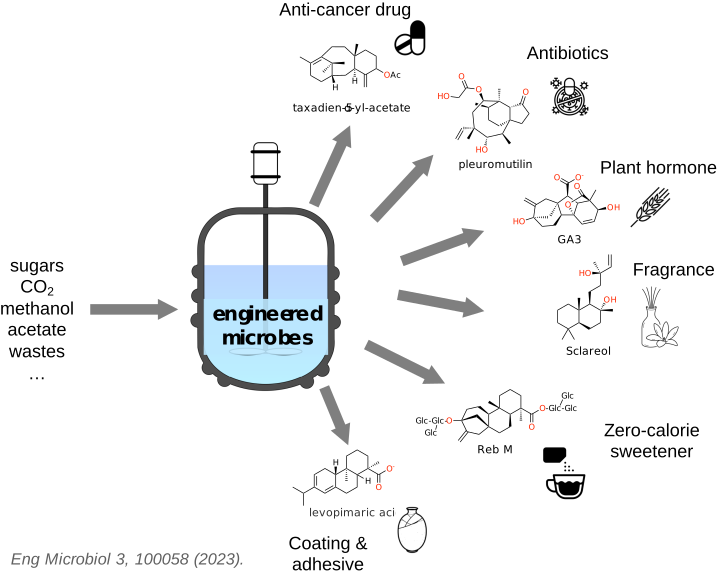
Engineering E. coli, yeast, and non-model microorganisms as efficient platforms for biosynthesis of target molecules through rational and evolutionary strategies.
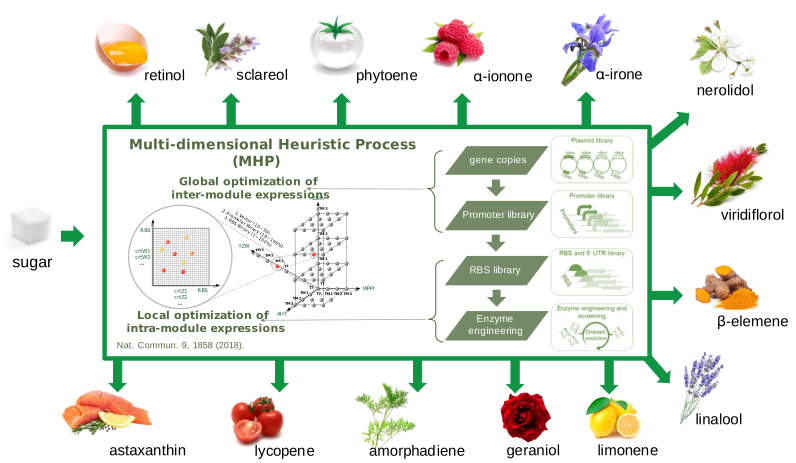
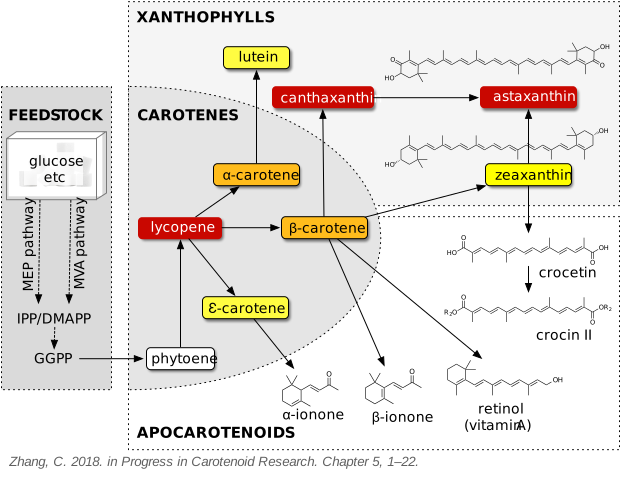
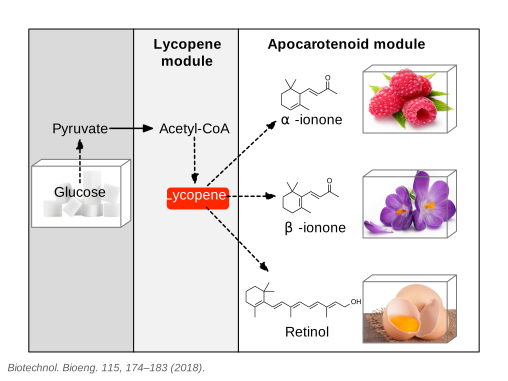
Read more →Engineering microbes to produce isoprenoids, food ingredients, flavours and fragrances, specialty chemicals from renewable carbon sources.
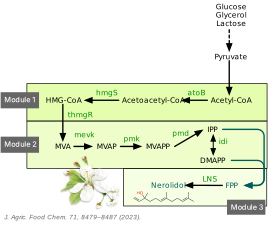
Read more →Designing, constructing, and optimizing novel biosynthetic pathways using DNA assembly tools, protein engineering, and computational pathway design frameworks.
Flagship paper ↗Applying CRISPR-based genome editing, omics technologies, and AI-guided modeling to understand and rewire cellular metabolism for precision strain engineering.
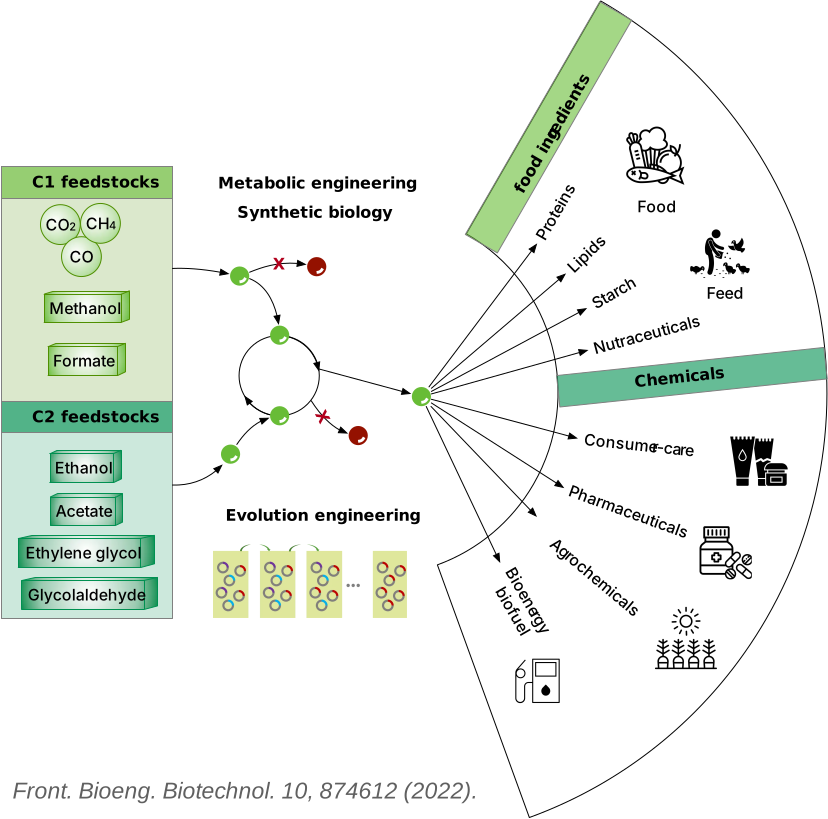
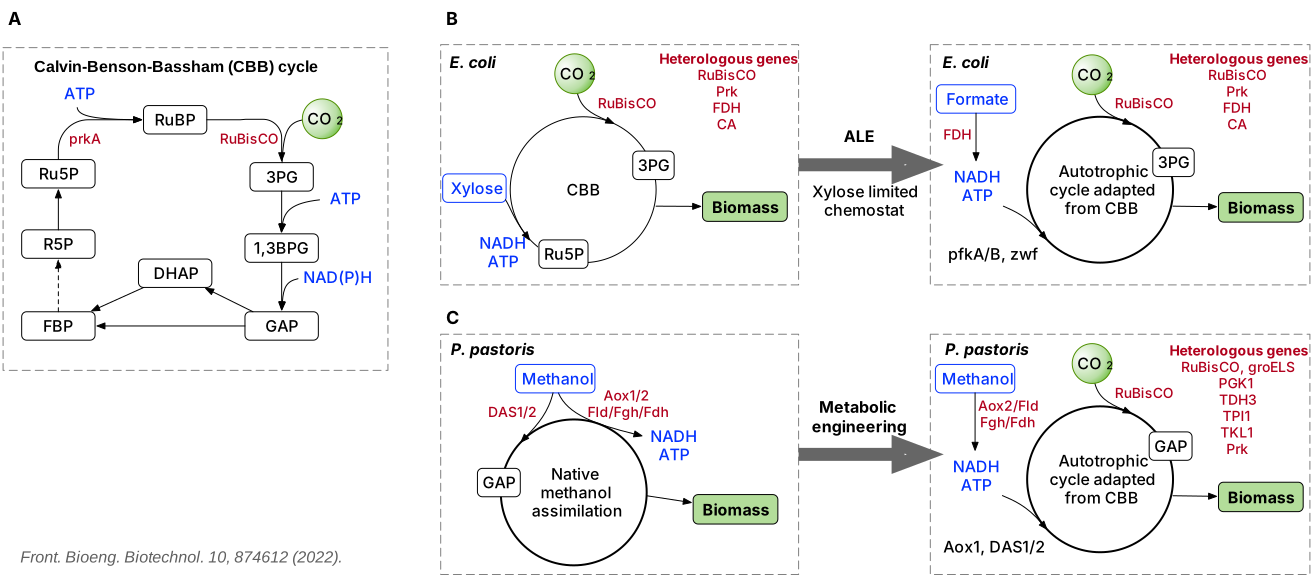
Latest paper (2026) ↗Developing microbial and enzymatic platforms to upcycle C1 & C2 feedstocks (methanol, CO2, ethylene glycol) and plastic waste (PET) into value-added chemicals and food ingredients.
Review paper ↗Translating laboratory-scale microbial production to pilot and industrial bioreactor conditions through fermentation process optimization and techno-economic analysis.
Bioprocess paper ↗Selected Research Figures
Tap a figure to enlarge · swipe to flip
Publications & Patents
A selection of recent peer-reviewed papers and granted/pending patents. For the complete record, visit the Google Scholar profile or the A*STAR researcher page.
Showing the 11 most recent items here. The full publication list and earlier work are on Google Scholar.
Team
A multidisciplinary team of biologists, chemists, and engineers united by the goal of sustainable biomanufacturing.
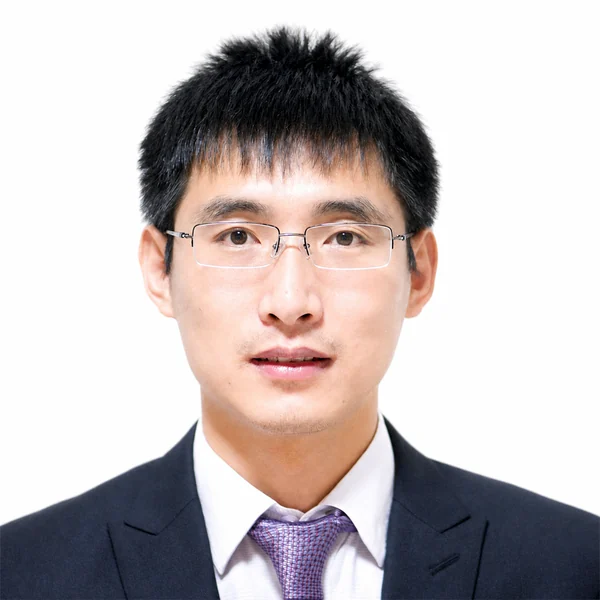
ZHANG Congqiang (Simon) 张聪强
Principal Investigator
Singapore Institute of Food and Biotechnology Innovation (SIFBI), A*STAR
Dr. Zhang Congqiang (Simon) leads synthetic biology research at A*STAR's SIFBI, where he engineers microbes into "cell factories" for sustainable chemicals, food and energy. An NUS-MIT PhD graduate with extensive publications and patents, Simon actively influences the biotech landscape through his leadership in the BioEnergy Society of Singapore and as an editor for prestigious journals including Nature Portfolio, Elsevier, and Wiley-VCH.
Senior Scientists
Scientist
Current Students
Former Staff
Former Students
We welcome motivated PhD students and visiting researchers. Backgrounds we look for, scholarship pathways (AGS, ARAP, SRAP), example projects, and how to apply — all on one page.
Collaborators
We are fortunate to work with outstanding scientists and groups across Singapore and around the world. Our collaborations span synthetic biology, metabolic engineering, enzymology, and bioprocess engineering.
Primary Collaborator
Open Tools
Free, open-source web tools built in the lab to support our own experimental work. They run entirely in your browser — no sequence data is uploaded or stored.
Designs site-directed mutagenesis primers for whole-plasmid inverse PCR. Supports NNK and NDT degenerate codons for saturation mutagenesis, host-specific codon usage (E. coli, S. cerevisiae, P. pastoris), nearest-neighbour Tm calculation, and automatic detection of shared primers across variants at the same site to reduce synthesis cost.
Contact
We welcome inquiries from prospective collaborators, students, and the media.